 English
 Kiswahili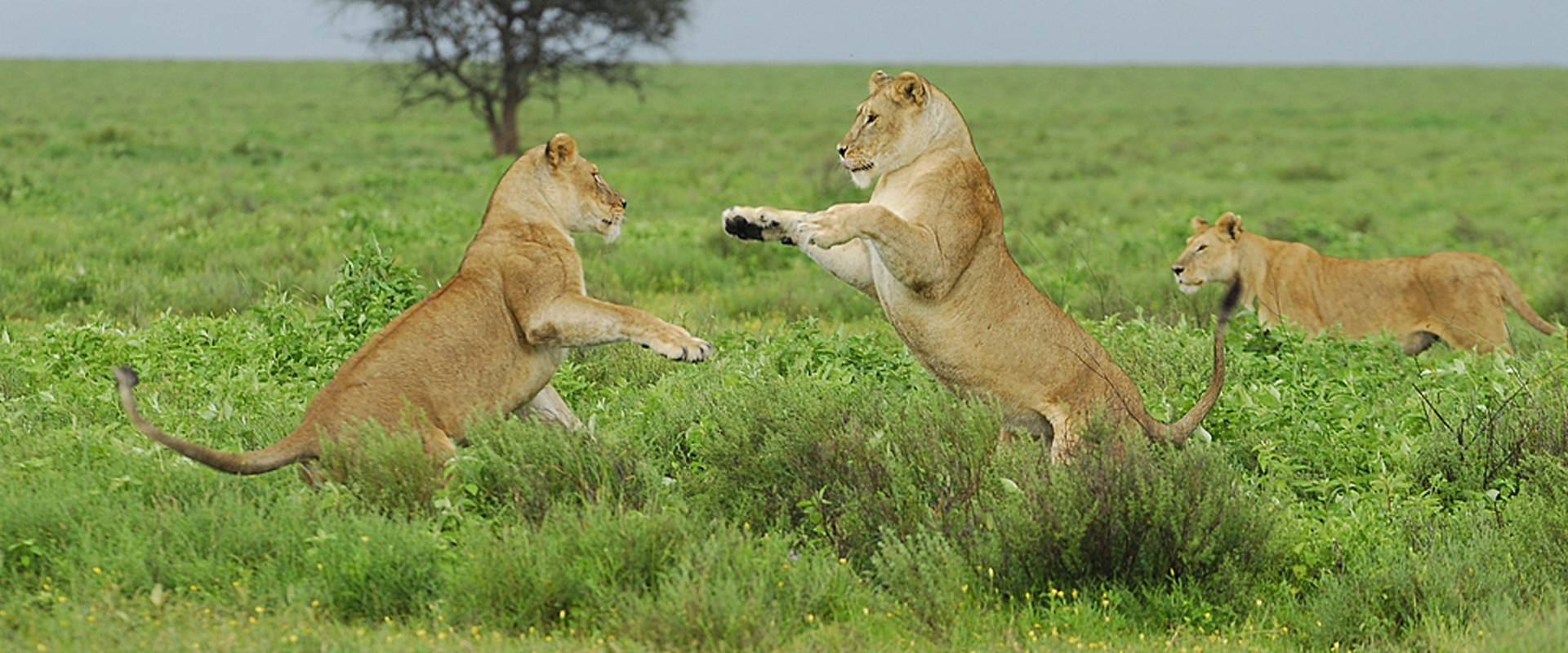
The Best Time to Visit Tanzania
There is no wrong time to come — different regions shine in different seasons. Here is how to time a safari, a Kilimanjaro climb or a coast escape.
When is the best time to visit Tanzania?
1 Best time to visit Tanzania
When is the best time to visit Tanzania? It’s a good question — and, like most good questions, a tricky one to answer, mainly because different areas of Tanzania have different attractions at different times of the year. There really is no right or wrong time to visit this well-loved country, but as a rule of thumb the dry season, from late June to October, is the most popular time for a Tanzania safari with all the trimmings.
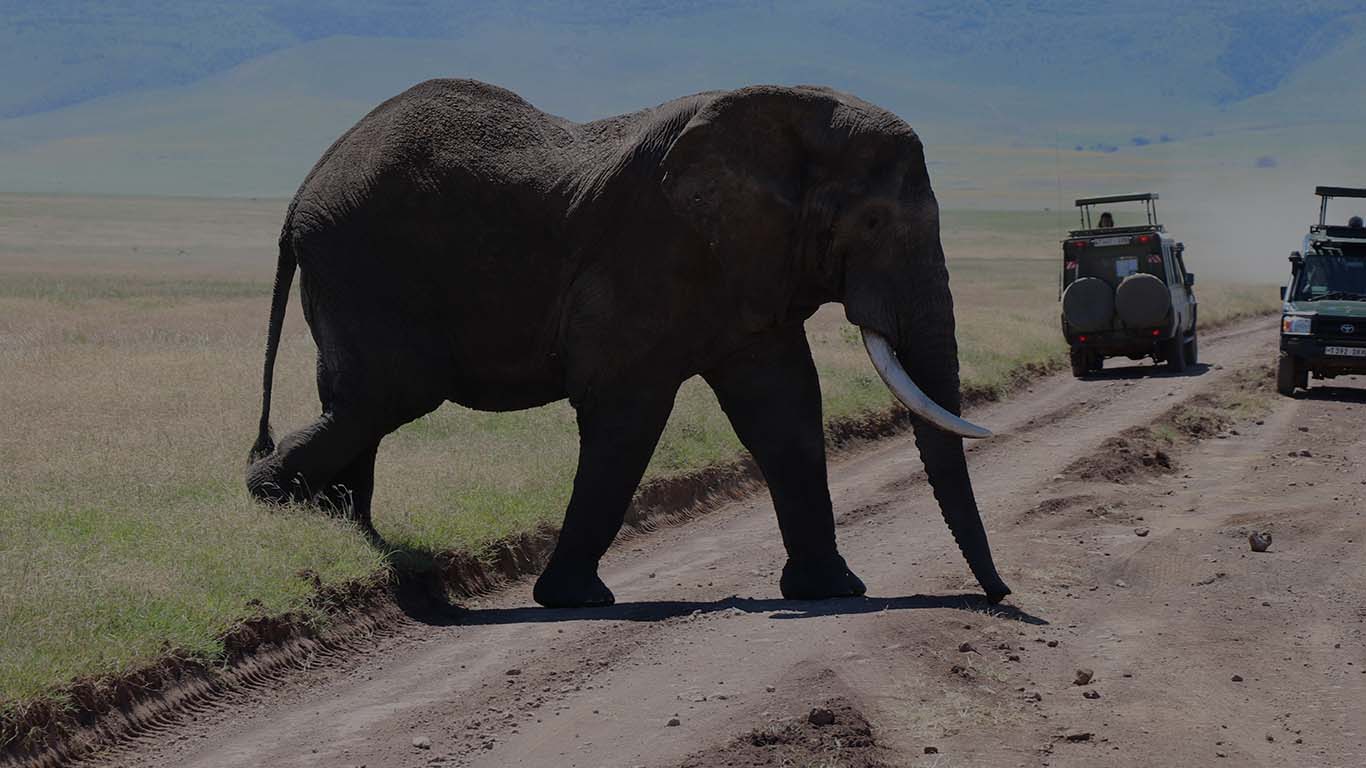
During this dry season, animals congregate near water sources, putting predators and prey in close proximity and making for some exciting game viewing. As a by-product of the water shortages the vegetation thins, improving visibility of animals. One thing to bear in mind, however, is the crowding that can occur in certain reserves during these favourable periods. If you’d rather avoid other tourists, consider visiting during the green season (usually March to May), or the short dry season from the end of December to February.
Below is a brief summary of some of our favourite Tanzanian parks and their seasonal perks — hopefully it simplifies your planning while illuminating a few of the lesser-known regions.
Long dry season
Late June–October. Peak safari season — the best game viewing and clearest visibility, but the busiest parks.
Short dry season
End of December–February. Warm and drier, with fewer crowds than the long dry season.
Green season
March–May. Lush landscapes and the fewest tourists, plus better lodging deals — though some camps close.
2 The best time to climb Kilimanjaro
Although it’s possible to climb Mount Kilimanjaro all year round, timing is a factor in your chances of a successful summit. There are two optimum climbing periods, both coinciding with the dry-season months of June to October and January to February. At other times of the year, seasonal rains can make the routes slippery and challenging to navigate.
January and February are generally warmer than the winter months of June to October, although temperature differences are minimal this close to the equator. Whatever time of year you decide to climb, bring proper cold-weather gear — the top of the mountain is perennially crowned with ice.
The same rules apply to Mount Meru, which sits in the same area as Kilimanjaro.
3 The best time to go on safari
If you’re not too worried about catching the migration, the best time to go on safari — whether you’re headed to the parks in the north or the south — is during the long dry season. From June to October, the lack of rain forces animals to congregate at the waterholes, making them much easier to spot, and the foliage is less dense too. The weather is generally cooler and less humid (a significant plus for long hours in the bush), the roads are less likely to be made impassable by flooding, and disease-carrying mosquitoes are less prevalent.
Northern Circuit reserves such as Ngorongoro, Serengeti and Lake Manyara usually offer good game-viewing year-round — the exception is Tarangire National Park, which is noticeably better during the long dry season.
4 The best time to visit the coast
If you’re headed to the coast for some R&R, or to any of Tanzania’s Indian Ocean islands, the best time to travel is during either of the dry seasons. The March-to-May rains are unusually heavy on the coast, making this time of year unreliable for devoted sun-worshippers. The storms also disrupt underwater visibility, which can disappoint scuba divers and snorkellers.
Spring brings the “long rains” and is considered the low season throughout the country. Many camps close during these months, but it’s easier to find good deals on lodging and you won’t see as many other tourists.